 PawsanalityTake the quiz
Settle · 75 · steady recovery
Your cat may enjoy varied activities within a familiar daily rhythm that preserves their dependable downtime.
Evidence base
consider first, proceed second
Notices the details, takes time with change, and remembers how things usually work.
You may recognize the long observation from a safe ledge before one measured step closer.
Watchful Scholar is an interpretation label for a nearby seven-trait pattern—not a discovered type, a diagnosis, or a claim about how rare your cat is.
The defining move is the pause. Watchful Scholars tend to observe a new situation from a safe distance — often from height — for considerably longer than seems necessary, then approach in one measured step rather than several tentative ones. The delay is assessment, and it usually ends in engagement rather than retreat.
Memory for how things normally work tends to run strong in this pattern, which means small changes get noticed: a moved chair, a different bag, a visitor in the wrong seat. Recovery from surprise is usually steady rather than fast, and the same care that slows the first approach tends to make the second one confident.
The prototype pattern this archetype is matched against, on the same transparent 0–100 scales the quiz reports.
These are prototype values, not your cat’s scores. The quiz compares the traits it could actually score against all eight prototypes and reports the closest, plus the secondary streak underneath it.
The three traits that place this pattern furthest from the midpoint, and the evidence-informed suggestions attached to them.
Settle · 75 · steady recovery
Your cat may enjoy varied activities within a familiar daily rhythm that preserves their dependable downtime.
Evidence baseNovelty · 70 · careful around change
Your cat may enjoy predictable routines plus easy access to hiding and elevated safe spaces whenever something changes.
Evidence baseExplore · 45 · content with familiar ground
Your cat may enjoy short, low-pressure invitations to explore, with familiar resting places always available.
Evidence baseNone of this is veterinary or behavioural advice. Sudden changes in behaviour, or new pain during ordinary handling, are not personality traits and are worth raising with a vet.
The archetypes whose prototype scores sit closest to Watchful Scholar. Most cats sit somewhere between several of them.
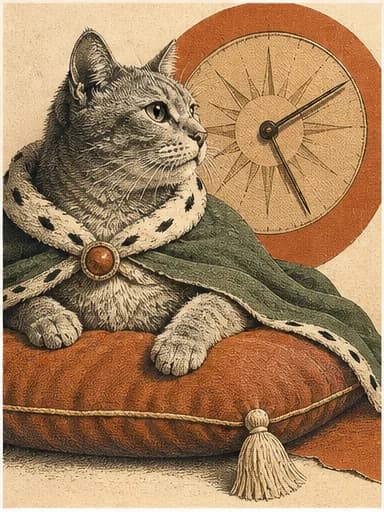
keeper of the household timetable
Comfort grows from familiar rhythms, considerate service, and changes announced well in advance.

company at a chosen distance
Present, perceptive, and comfortable keeping their own counsel.
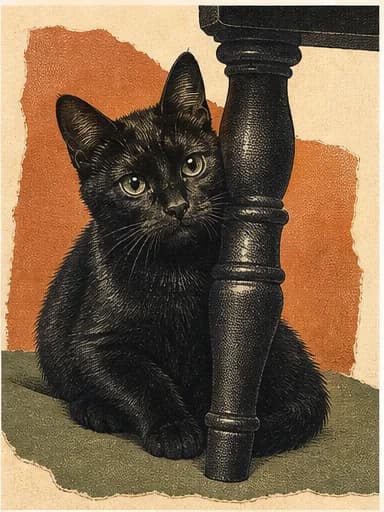
quietly devoted companion
Connection matters, usually on familiar terms and within reassuring range.
Reading about a pattern is not the same as measuring one. The quiz scores seven traits from behaviour you have actually observed, then finds the closest match.
Take the free cat quizSee all eight cat personality types or read the scoring methodology.