 PawsanalityTake the quiz
People · 25 · more independent
Your cat may enjoy sharing space without pressure—offer contact, then let them choose whether to approach.
Evidence base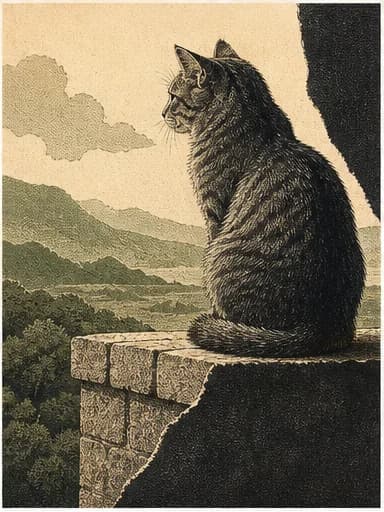
company at a chosen distance
Present, perceptive, and comfortable keeping their own counsel.
You may recognize the room-wide companionship and the dignified refusal to make affection a scheduled event.
Independent Observer is an interpretation label for a nearby seven-trait pattern—not a discovered type, a diagnosis, or a claim about how rare your cat is.
Independent Observers tend to be present without being involved. The usual position is the far end of the room, awake, oriented toward whatever is happening, and entirely uninterested in joining it. Company is generally accepted; solicitation is not usually offered. The affection that does appear tends to be brief, unannounced, and on a schedule of their own devising.
Regulation typically runs high in this pattern, so the composure is mostly genuine rather than suppressed. Disruptions get absorbed. The same self-possession that makes them easy to live with also makes them easy to misjudge, because a cat who asks for very little is often assumed to need very little.
The prototype pattern this archetype is matched against, on the same transparent 0–100 scales the quiz reports.
These are prototype values, not your cat’s scores. The quiz compares the traits it could actually score against all eight prototypes and reports the closest, plus the secondary streak underneath it.
The three traits that place this pattern furthest from the midpoint, and the evidence-informed suggestions attached to them.
People · 25 · more independent
Your cat may enjoy sharing space without pressure—offer contact, then let them choose whether to approach.
Evidence baseSettle · 75 · steady recovery
Your cat may enjoy varied activities within a familiar daily rhythm that preserves their dependable downtime.
Evidence basePlay · 35 · selective player
Your cat may enjoy brief experiments with different toy textures and speeds—stop while interest is still comfortable.
Evidence baseNone of this is veterinary or behavioural advice. Sudden changes in behaviour, or new pain during ordinary handling, are not personality traits and are worth raising with a vet.
The archetypes whose prototype scores sit closest to Independent Observer. Most cats sit somewhere between several of them.
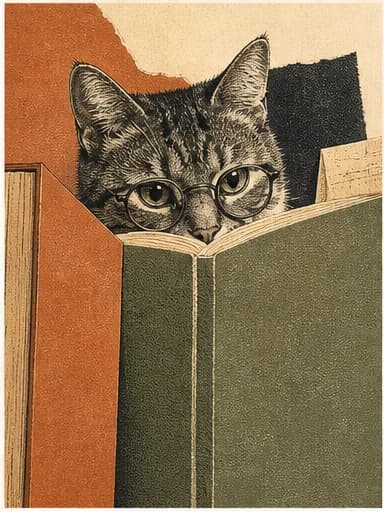
consider first, proceed second
Notices the details, takes time with change, and remembers how things usually work.
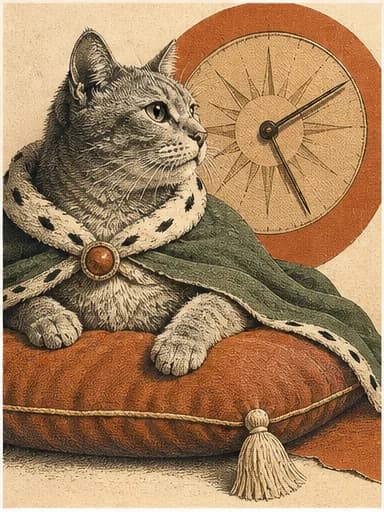
keeper of the household timetable
Comfort grows from familiar rhythms, considerate service, and changes announced well in advance.
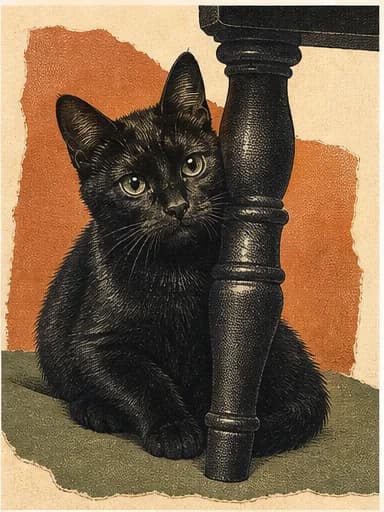
quietly devoted companion
Connection matters, usually on familiar terms and within reassuring range.
Reading about a pattern is not the same as measuring one. The quiz scores seven traits from behaviour you have actually observed, then finds the closest match.
Take the free cat quizSee all eight cat personality types or read the scoring methodology.