 PawsanalityTake the quiz
Settle · 80 · steady recovery
Your dog may enjoy varied activities that preserve their reliable pause-and-recover rhythm.
Evidence base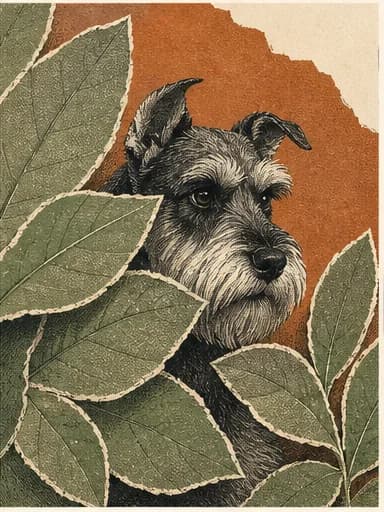
quiet reader of the room
Takes in the scene before choosing how—and whether—to join it.
You may recognize the pause at the threshold and the calm decision made after everyone else has rushed in.
Thoughtful Observer is an interpretation label for a nearby seven-trait pattern—not a discovered type, a diagnosis, or a claim about how rare your dog is.
Thoughtful Observers tend to watch first. The pause at the threshold, the survey from the edge of the room, the decision made calmly after everyone else has already rushed in — novelty sensitivity runs high in this pattern and regulation runs high with it, which usually produces caution rather than fear.
Social preferences tend to be selective. Familiar people are generally welcome, unfamiliar dogs less reliably so, and crowded environments are often tolerated rather than enjoyed. Given time and no pressure, most of this pattern arrives at engagement; given pressure, it tends to arrive at avoidance instead.
The prototype pattern this archetype is matched against, on the same transparent 0–100 scales the quiz reports.
These are prototype values, not your dog’s scores. The quiz compares the traits it could actually score against all eight prototypes and reports the closest, plus the secondary streak underneath it.
The three traits that place this pattern furthest from the midpoint, and the evidence-informed suggestions attached to them.
Settle · 80 · steady recovery
Your dog may enjoy varied activities that preserve their reliable pause-and-recover rhythm.
Evidence baseNovelty · 75 · careful around change
Your dog may enjoy more distance and choice around novelty, paired with gradual, reward-based learning.
Evidence baseEnergy · 35 · lower-key
Your dog may enjoy unhurried sniffing, gentle play, and activity matched to age and health.
Evidence baseNone of this is veterinary or behavioural advice. Sudden changes in behaviour, or new pain during ordinary handling, are not personality traits and are worth raising with a vet.
The archetypes whose prototype scores sit closest to Thoughtful Observer. Most dogs sit somewhere between several of them.
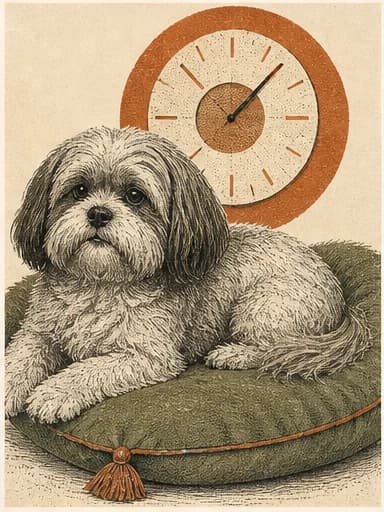
comfort in a dependable rhythm
Familiar patterns and cooperative rituals help the world make sense.
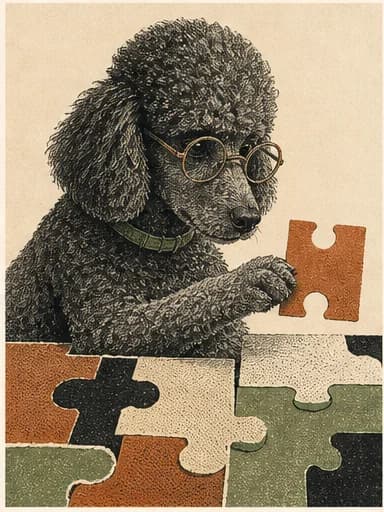
problem-solving enthusiast
Often happiest when attention and persistence have somewhere useful to go.
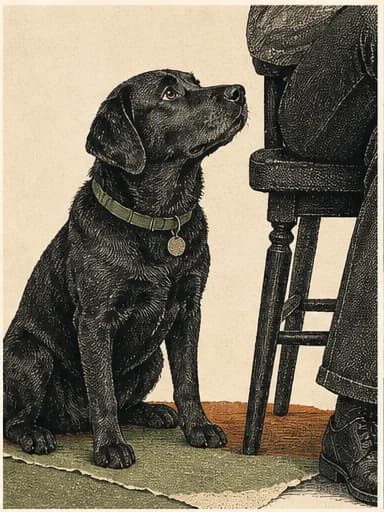
close-range co-pilot
Connection with familiar people is the steady center of the day.
Reading about a pattern is not the same as measuring one. The quiz scores seven traits from behaviour you have actually observed, then finds the closest match.
Take the free dog quizSee all eight dog personality types or read the scoring methodology.