 PawsanalityTake the quiz
Learn · 90 · cooperative learner
Your dog may enjoy reward-based skill games, shaping, and cooperative care tasks with fresh challenges.
Evidence base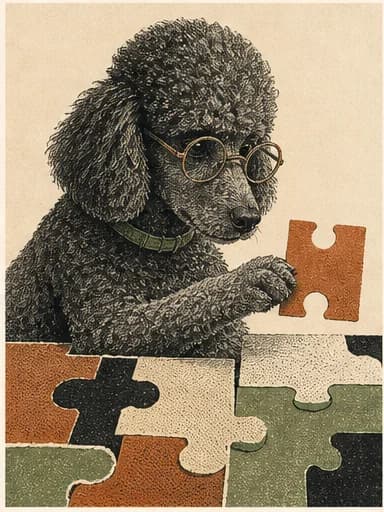
problem-solving enthusiast
Often happiest when attention and persistence have somewhere useful to go.
You may recognize the focused pause, the quick retry, and the look that says the puzzle could be harder.
Puzzle Pro is an interpretation label for a nearby seven-trait pattern—not a discovered type, a diagnosis, or a claim about how rare your dog is.
Puzzle Pros tend to want a job. Trainability scores near the top for this pattern and regulation runs high with it, which shows up as focus: the deliberate pause at a problem, the quick retry after a failure, the visible preference for tasks that are slightly too hard. Attention on human cues is usually offered rather than extracted.
The flip side is that unemployed intelligence finds work. Without somewhere structured to put the persistence, the same qualities tend to reappear as inventive problem-solving applied to bins, latches, and doors. Most behaviour complaints in this profile resolve faster through occupation than through correction.
The prototype pattern this archetype is matched against, on the same transparent 0–100 scales the quiz reports.
These are prototype values, not your dog’s scores. The quiz compares the traits it could actually score against all eight prototypes and reports the closest, plus the secondary streak underneath it.
The three traits that place this pattern furthest from the midpoint, and the evidence-informed suggestions attached to them.
Learn · 90 · cooperative learner
Your dog may enjoy reward-based skill games, shaping, and cooperative care tasks with fresh challenges.
Evidence baseSettle · 75 · steady recovery
Your dog may enjoy varied activities that preserve their reliable pause-and-recover rhythm.
Evidence baseNovelty · 35 · ready to investigate
Your dog may enjoy safe new routes and experiences, with check-ins and the option to move away.
Evidence baseNone of this is veterinary or behavioural advice. Sudden changes in behaviour, or new pain during ordinary handling, are not personality traits and are worth raising with a vet.
The archetypes whose prototype scores sit closest to Puzzle Pro. Most dogs sit somewhere between several of them.
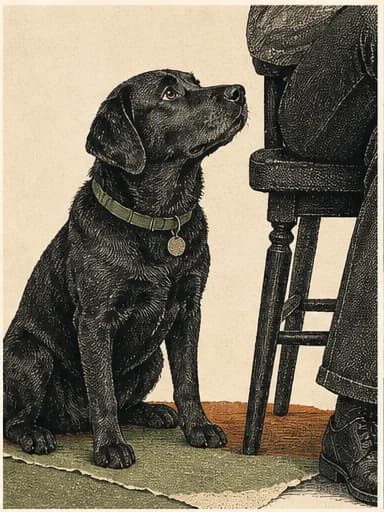
close-range co-pilot
Connection with familiar people is the steady center of the day.
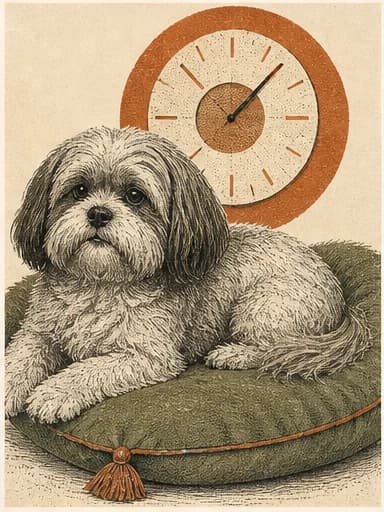
comfort in a dependable rhythm
Familiar patterns and cooperative rituals help the world make sense.
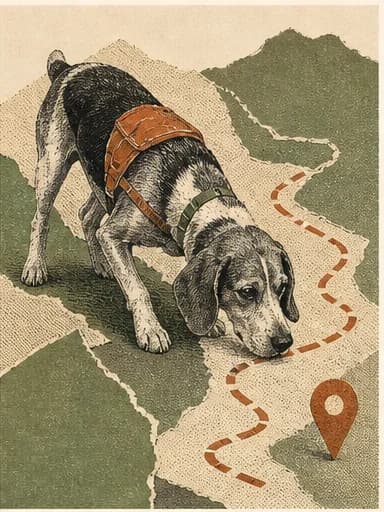
self-directed field researcher
Curious and capable, with a strong interest in checking the world personally.
Reading about a pattern is not the same as measuring one. The quiz scores seven traits from behaviour you have actually observed, then finds the closest match.
Take the free dog quizSee all eight dog personality types or read the scoring methodology.