 PawsanalityTake the quiz
Play · 95 · keen chase-player
Your dog may enjoy safe tug, toy chase, search games, and scent activities with clear start-and-stop cues.
Evidence base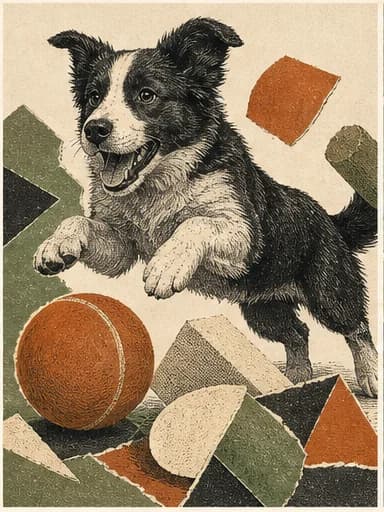
one more round, please
Play is both a hobby and a compelling daily agenda.
You may recognize the toy delivered to your knee and the impossible optimism after the fiftieth throw.
Play Machine is an interpretation label for a nearby seven-trait pattern—not a discovered type, a diagnosis, or a claim about how rare your dog is.
Play Machines tend to treat play as the day's main business. The toy arrives at your knee, then arrives again, and the optimism after the fiftieth throw is undimmed. Chase motivation scores near the ceiling in this pattern and activity runs alongside it, so movement of almost any kind — ball, bike, cat, leaf — tends to register as an invitation.
Regulation runs low here, which is the part that matters. Arousal builds fast and comes down slowly, so sessions that start as play can tip into frantic without an obvious transition. Much of what gets labelled overexcitement in this profile is a dog with no practised route back down.
The prototype pattern this archetype is matched against, on the same transparent 0–100 scales the quiz reports.
These are prototype values, not your dog’s scores. The quiz compares the traits it could actually score against all eight prototypes and reports the closest, plus the secondary streak underneath it.
The three traits that place this pattern furthest from the midpoint, and the evidence-informed suggestions attached to them.
Play · 95 · keen chase-player
Your dog may enjoy safe tug, toy chase, search games, and scent activities with clear start-and-stop cues.
Evidence baseEnergy · 90 · high-energy
Your dog may enjoy a balanced mix of movement, sniffing, exploration, play, and deliberate recovery breaks.
Evidence baseNovelty · 30 · ready to investigate
Your dog may enjoy safe new routes and experiences, with check-ins and the option to move away.
Evidence baseNone of this is veterinary or behavioural advice. Sudden changes in behaviour, or new pain during ordinary handling, are not personality traits and are worth raising with a vet.
The archetypes whose prototype scores sit closest to Play Machine. Most dogs sit somewhere between several of them.
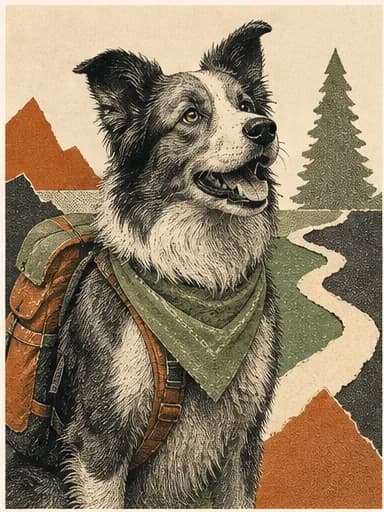
ready when you are
Movement, novelty, and doing things together make the day feel complete.
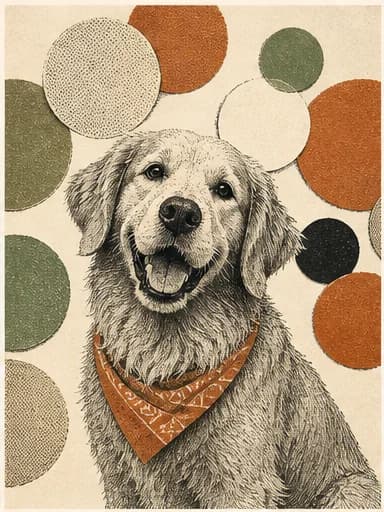
friend-shaped optimist
Often energized by friendly company and opportunities to say hello.
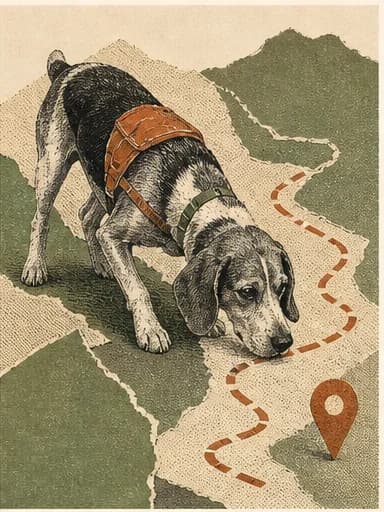
self-directed field researcher
Curious and capable, with a strong interest in checking the world personally.
Reading about a pattern is not the same as measuring one. The quiz scores seven traits from behaviour you have actually observed, then finds the closest match.
Take the free dog quizSee all eight dog personality types or read the scoring methodology.